
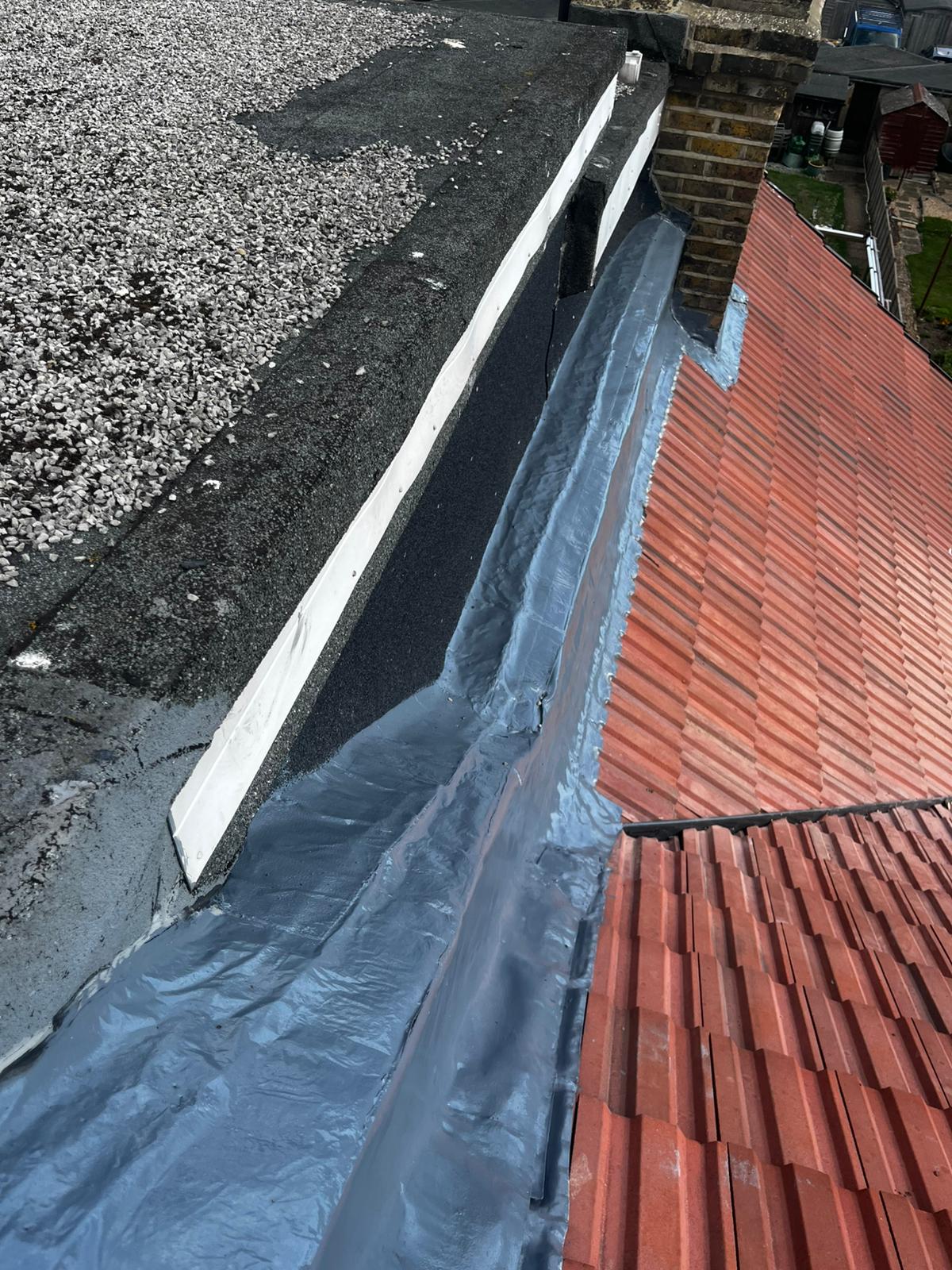
So, When Should You Replace Roof Flashing?
Roof flashing is one of the most important parts of a roof, yet many homeowners are unaware of its role until a leak appears. Flashing is the protective material fitted around chimneys, valleys, skylights, vents, and joints to stop water entering the structure. It directs water away from vulnerable areas and ensures the roof remains watertight during heavy rain. Knowing when you should replace roof flashing helps prevent leaks, damp, and long term structural damage.
Understanding the condition of your flashing is especially important in the UK, where frequent rain and changing temperatures place constant pressure on roofing materials. Damaged flashing is one of the leading causes of leaks, even when tiles appear to be in good condition.
What Roof Flashing Does
Flashing creates a seal in the areas of a roof where tiles alone cannot provide complete protection. Places such as chimney bases, roof valleys, and the edges of dormer windows rely on flashing to stop water from seeping inside. Most flashing is made from lead, aluminium, or a specialist waterproof membrane. When fitted correctly, it forms a barrier that keeps the roof structure dry and prevents rot, mould, and timber decay.
Over time, flashing can crack, lift, corrode, or pull away from the surface. This breakdown usually happens slowly, but once damage begins, water will find its way into small gaps. This is why regular inspections and timely repairs make such a difference.
How Long Roof Flashing Lasts
The lifespan of flashing depends on the material used, the quality of installation, and the weather conditions the roof faces. In the UK, well fitted lead flashing can last several decades, sometimes close to forty years with good maintenance. Aluminium and other lightweight materials may have a shorter lifespan, especially on roofs exposed to strong wind and heavy rain.
Homes near the coast may experience earlier wear because salt in the air speeds up corrosion. Properties in rural or shaded areas may see damage from moss growth or trapped moisture. Flat roofs, which rely heavily on flashing around edges and outlets, may also require more frequent attention.
Although flashing can last for many years, it still needs checking regularly. The earlier problems are spotted, the easier and cheaper the repairs will be.
Signs Your Roof Flashing Needs Replacing
Several clear signs indicate that your roof flashing may need attention. These include:
- Water stains on ceilings or upper walls
- Drips or damp patches inside the loft
- Loose mortar around the chimney
- Visible gaps between flashing and tiles
- Rust or surface corrosion
- Cracked or lifted sections around roof joints
- Continued leaks during rain despite intact tiles
If you notice any of these symptoms, it is important to act quickly. Flashing damage can cause leaks long before tiles show any signs of wear. A professional inspection will confirm whether the flashing can be repaired or requires full replacement.
For hard to reach roofs or properties with several levels, our drone surveys provide a clear and detailed view of the flashing without needing ladders or scaffolding. This helps identify early problems that are not visible from the ground.
What Causes Flashing to Fail
Flashing can deteriorate for several reasons. Some of the most common include:
Weather exposure
Rain, frost, and temperature changes can cause expansion and contraction, weakening the seal.
Poor installation
Badly fitted flashing may lift or crack much sooner than expected.
Age and material fatigue
Older materials often lose flexibility, making them more prone to cracks.
Movement in the roof
Timber shrinkage, settlement, or added weight from moss can cause flashing to pull away.
Corrosion
Metal flashing can corrode over time, especially in areas exposed to salt or chemical pollutants.
Understanding the cause of failure helps prevent future problems once repairs are carried out.
Repairing or Replacing Roof Flashing
Whether flashing should be repaired or replaced depends on the extent of the damage. Small cracks or loose edges can sometimes be resealed. However, when flashing has split, rusted, or pulled away completely, replacement is often the only reliable solution.
Our roof repairs service includes full flashing inspections and replacements using durable materials suitable for the local climate. We remove the worn sections, clean the area, and install new flashing that forms a strong, watertight seal. This prevents further leaks and protects the surrounding structure.
If the roof is older or the tiles show signs of wear at the same time, we may recommend considering a full roof installation to renew all protective layers at once. This can be more cost effective than repeated repairs.
Roof Flashing on Flat Roofs
Flat roofs rely heavily on flashing to prevent leaks. The edges, joints, and corners are the most vulnerable places, and any movement in the surface can cause the flashing to crack. Many older flat roofs use felt systems that can blister or split over time, increasing pressure on the flashing.
Routine checks help ensure the edges remain sealed. If you notice pooling water, cracks, or lifting, arranging an inspection ensures problems are addressed before they lead to major leaks.
Preventing Flashing Problems
Regular maintenance and checks help extend the lifespan of your flashing. Homeowners can help protect their roof by:
- Clearing moss and debris from around roof joints
- Checking for loose mortar around chimneys
- Keeping gutters clear to prevent water overflow
- Inspecting the loft for early signs of damp
- Booking professional inspections at least once a year
These simple steps reduce the risk of leaks and help keep flashing in good condition for longer.
Working with Local Roofing Specialists
Choosing an experienced roofer ensures your flashing is fitted correctly and built to last. Local professionals understand the weather patterns in Kent and the types of wear roofs typically face. At Trust A Trade Roofing, we work on homes of all ages and styles, ensuring flashing is fitted securely and performs well in all weather conditions.
We also work closely with Hythe and Folkestone Roofers, combining local experience with professional expertise to deliver consistent, high quality results across the region. Our work is supported by Checkatrade’s roofing hub, which promotes trusted standards for roofing services.
Conclusion
Knowing when you should replace roof flashing helps protect your home from leaks and long term structural damage. Flashing usually lasts for many years, but once it begins to crack, lift, or corrode, replacement becomes essential. Regular checks, early repairs, and professional inspections keep your roof watertight throughout the year.
If your flashing is showing signs of wear or you are concerned about leaks, the team at Trust A Trade Roofing is here to help. To arrange a professional inspection or request a quotation, contact us here.