
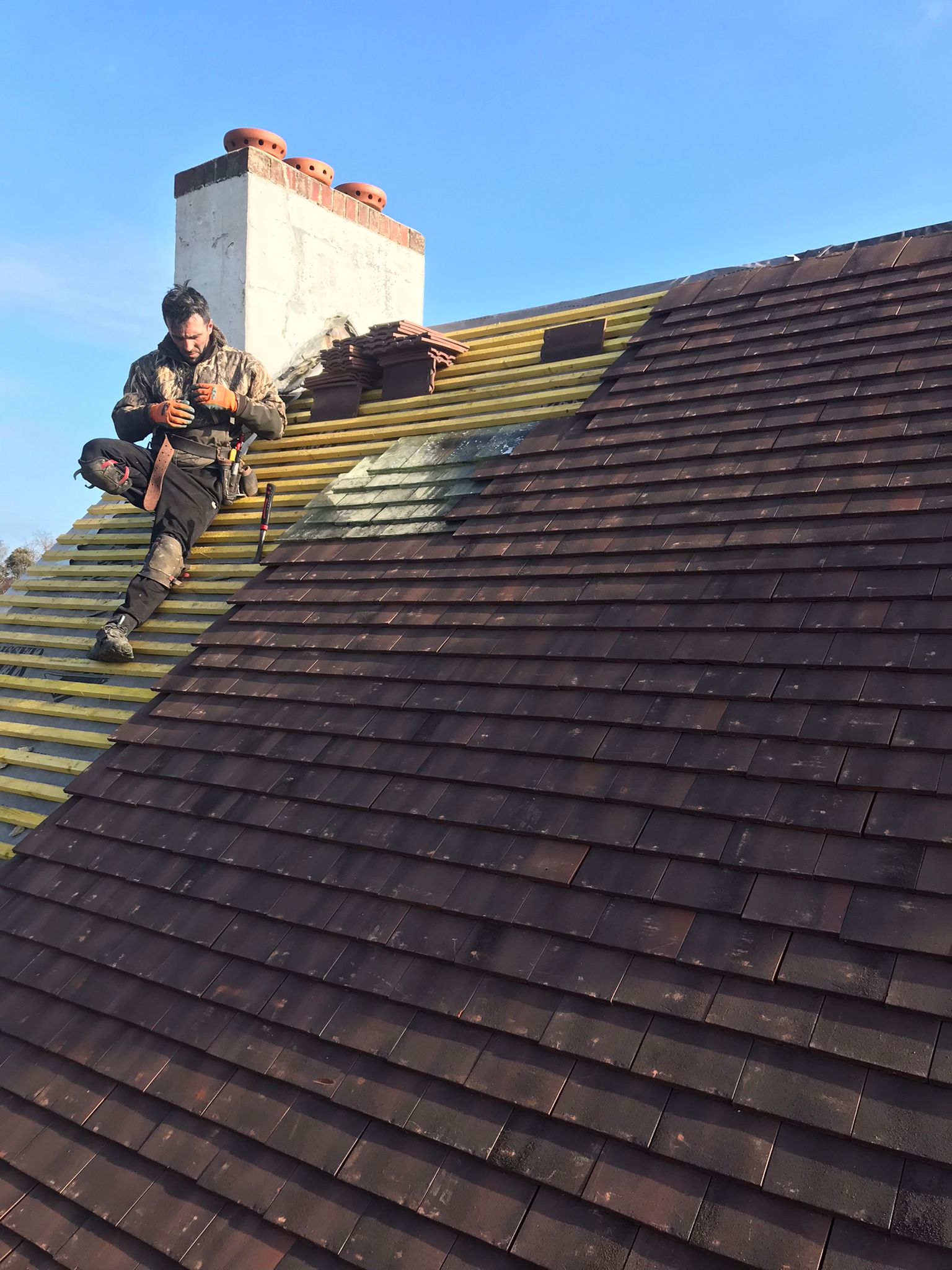
So, How Do You Know If Your Roof Has Structural Issues?
Knowing whether your roof has structural issues is not always straightforward. Unlike a missing tile or visible leak, structural problems often develop slowly and can remain hidden until the damage becomes serious. By the time clear signs appear, the issue may already be affecting the strength of the roof and the safety of the property.
In the UK, roofs deal with constant exposure to rain, wind, and temperature changes. Over time, this puts pressure not just on tiles and coverings, but on the structure beneath. The key is understanding what to look for and acting early before minor weaknesses turn into major repairs.
What Counts as a Structural Roof Issue
Structural issues go beyond surface level damage. They affect the framework that supports the roof, including timbers, rafters, and load bearing elements.
A roof has structural issues when the integrity of this framework is compromised. This can be caused by long term water ingress, ageing materials, poor installation, or movement within the building itself.
In practice, what we often see is that structural problems begin with something small, such as a slow leak or blocked gutter, which is ignored over time. The water gradually weakens the timber until it starts to lose strength.
Early Warning Signs Inside the Property
One of the first places structural issues show up is inside the home. These signs are often overlooked because they do not immediately appear to be related to the roof.
Look out for sagging ceilings, cracks forming in the upper walls, doors or windows that suddenly stick, damp patches that keep returning, and a musty smell in the loft space.
A common mistake is assuming these are just cosmetic problems. What actually tends to happen is that these internal signs are the result of ongoing moisture or movement in the roof structure above.
If these symptoms appear together, it is important to investigate further.
External Signs of Structural Problems
There are also clear external indicators that your roof has structural issues. These include a visible dip or sag in the roofline, uneven ridges, tiles that appear to be sinking or misaligned, and sections of the roof that look lower than others.
You may also notice that ridge tiles are no longer sitting evenly, or that the roof appears to have shifted slightly over time. These are not normal signs of wear and should be taken seriously.
Structural movement can also affect flashing around chimneys and roof joints, causing gaps to appear where water can enter.
Issues Found in the Loft Space
The loft is often the best place to identify structural problems early. If you can safely access it, look for signs such as warped or cracked timbers, dark staining on wood, damp insulation, or daylight showing through areas that should be sealed.
Timber that feels soft or shows signs of rot is a strong indication that moisture has been present for some time. This is one of the most common causes of structural roof damage in UK homes.
However, not all problems are easy to spot. Professional inspections provide a more detailed assessment of the roof structure.
The Role of Water Damage
Water is the main cause of structural roofing issues. Even a small leak can cause long term damage if it is not repaired.
Once water enters the roof, it can soak into timber and insulation. Over time, this weakens the structure and reduces its ability to support the roof covering.
This is why timely roof repairs are so important. Addressing the source of the leak early prevents further damage and helps protect the structural integrity of the roof.
When Structural Issues Become Serious
Structural problems do not fix themselves. If left untreated, they will continue to worsen. In more serious cases, parts of the roof may begin to sag significantly, or timbers may weaken to the point where they can no longer support the load.
At this stage, repairs become more complex and may involve replacing sections of the roof structure. This is why early detection is key.
In our experience, the biggest cost increases we see are from jobs where a simple repair was delayed until it became a structural issue. Acting early almost always reduces the overall cost and disruption.
Professional Roof Inspections
If you suspect your roof has structural issues, a professional inspection is the safest and most effective next step. Experienced roofers can assess both visible and hidden problems, identifying whether the issue is surface level or structural.
For properties where access is limited or unsafe, drone surveys provide a detailed view of the roof without the need for scaffolding. This allows problems to be identified quickly and accurately.
A proper inspection ensures the right solution is applied, rather than treating symptoms that may return later.
Do Structural Roof Repairs Require Approval
In some cases, structural roof repairs may require approval or compliance with regulations. While minor repairs are usually classed as maintenance, larger structural work may need to follow guidance from the Planning Portal.
Work involving structural elements must also comply with GOV.UK Building Regulations, particularly where the roof’s support system is being altered or replaced.
Professional roofing companies will advise when approval is needed and ensure all work meets the correct standards.
Safety and Structural Roof Work
Structural roof issues are not something to attempt to fix without professional help. Roofing work involves working at height, and when structural damage is present, the risks increase further.
The Health and Safety Executive provides guidance on working at height and roofing safety, explaining why trained professionals should carry out this type of work.
Attempting DIY repairs can lead to further damage and serious safety risks.
Preventing Structural Roof Problems
The best way to avoid structural issues is through regular maintenance and early intervention. Checking the roof twice a year, keeping gutters clear, and addressing small repairs quickly all help prevent long term damage.
Routine inspections allow potential problems to be identified before they affect the structure. This is particularly important for older properties or roofs that have experienced repeated exposure to severe weather.
Choosing the Right Roofing Company
If you believe your roof has structural issues, choosing experienced professionals is essential. A reliable company will carry out a thorough inspection, explain the problem clearly, and recommend the most appropriate solution.
At Trust A Trade Roofing, we assess structural roof problems with a focus on long term stability and safety. We also work closely with Hythe and Folkestone Roofers, combining experience to deliver dependable roofing services across Kent and surrounding areas.
Guidance from Checkatrade’s roofing hub also highlights the importance of using qualified professionals for roofing work.
Conclusion
Knowing whether your roof has structural issues comes down to recognising the warning signs early and taking action before the problem worsens. Internal symptoms such as sagging ceilings and damp, along with external signs like uneven rooflines, often point to deeper structural concerns.
In practice, most structural problems begin with something small that has been left untreated. Acting early, arranging professional inspections, and carrying out repairs promptly will protect your home and reduce long term costs.
If you are concerned about your roof or would like a professional assessment, Trust A Trade Roofing is here to help. To arrange an inspection or discuss your concerns, contact us here for expert advice and reliable support.