
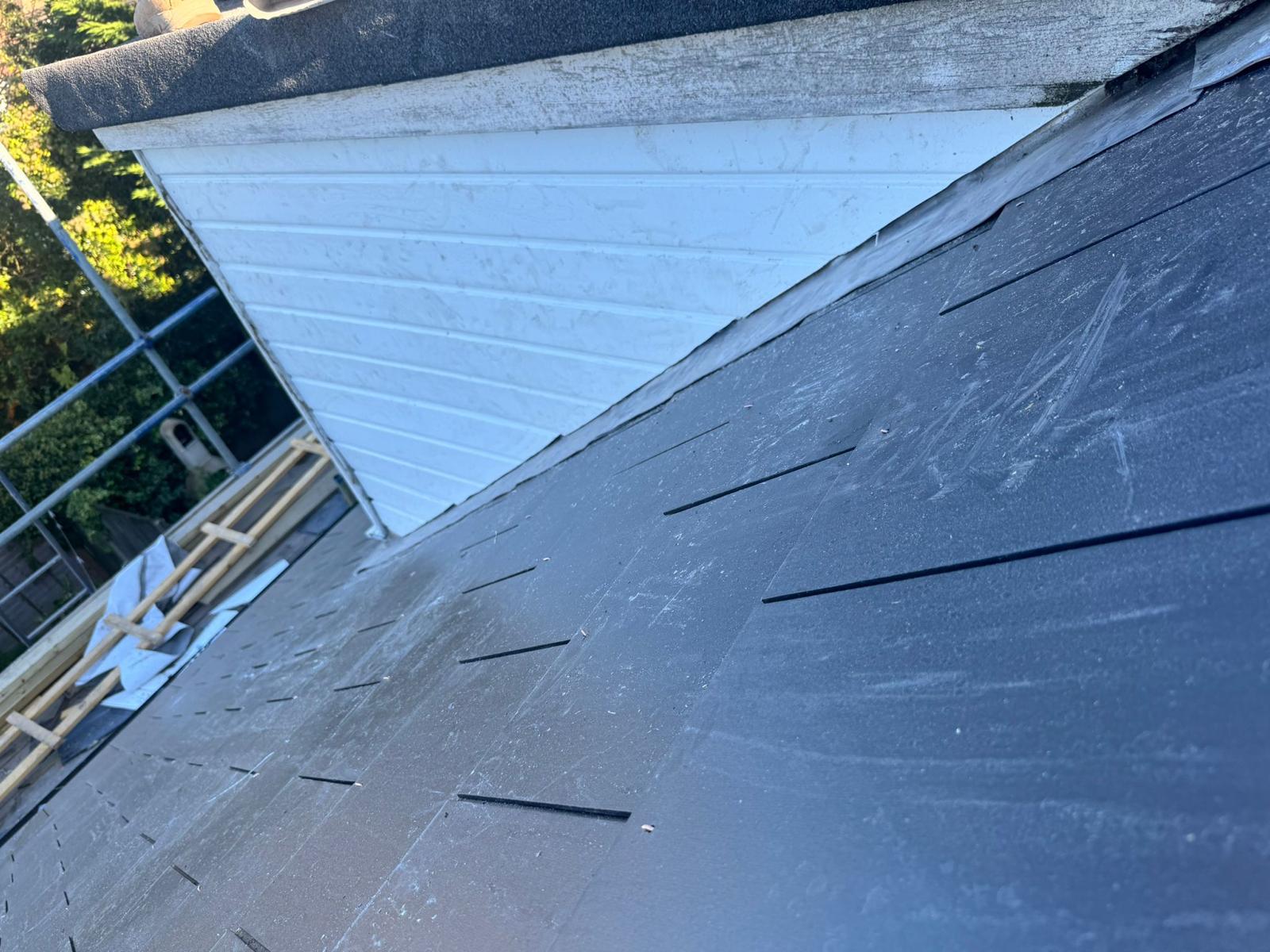
Professional London Flat Roofing
Flat roofs are widely used across the capital, particularly on extensions, apartment buildings, garages, and commercial properties. Because of the large number of modern developments and property conversions in the city, London flat roofing has become a common and important part of the construction and maintenance industry. While flat roofs offer practical advantages such as efficient use of space and easier access for maintenance, they require the right materials and professional installation to perform reliably in the UK climate.
London’s frequent rainfall and changing weather conditions mean flat roofs must be installed and maintained carefully to prevent leaks and structural problems. Understanding how flat roofing systems work and what to expect from professional roofing services helps property owners make informed decisions about repairs, maintenance, and replacement.
Why Flat Roofing Is Common in London
Many London properties make use of flat roofs because of the way buildings are designed in dense urban areas. Extensions, loft conversions, and commercial buildings often use flat roofing systems to maximise usable space while keeping construction efficient.
Flat roofs also provide practical benefits. They allow easier access for inspections and maintenance compared to steep pitched roofs. In some buildings, flat roofs support additional features such as roof terraces, solar panels, or plant equipment.
However, because flat roofs do not shed water as quickly as pitched roofs, they must be built with proper drainage and waterproof materials to prevent problems.
Common Flat Roofing Materials
Several materials are used for London flat roofing systems. Each has its own advantages depending on the type of property and the level of exposure to weather.
Traditional felt roofing has been used for many years and is still found on older flat roofs. Felt systems provide waterproof protection but may deteriorate over time due to weather exposure.
EPDM rubber roofing is a modern material that offers strong waterproof performance and flexibility. It is resistant to temperature changes and often lasts longer than older felt systems.
GRP fibreglass roofing is another durable option. This system creates a seamless waterproof surface that reduces the risk of leaks and performs well in areas exposed to heavy rainfall.
Each material requires correct installation to ensure it performs as expected and protects the building effectively.
Common Flat Roof Problems
Although flat roofs are practical, they can develop issues if maintenance is neglected. Some of the most common problems include standing water, surface cracks, lifting around edges, and deterioration of waterproof layers.
Standing water occurs when drainage is blocked or the roof surface has slight dips. Over time this can weaken the roofing material and increase the risk of leaks.
Surface damage may also appear as small cracks or blisters. These are often caused by weather exposure or ageing materials. Addressing these problems early helps prevent water from entering the building.
Prompt roof repairs ensure that small issues are resolved before they lead to more extensive damage.
Importance of Flat Roof Inspections
Regular inspections are essential for maintaining London flat roofing systems. Because flat roofs do not have the steep angle of tiled roofs, problems such as cracks or blocked drainage may not be visible from ground level.
Professional inspections examine the roof covering, drainage outlets, flashing, and structural components. These checks help identify early signs of wear and allow repairs to be scheduled before leaks occur.
For larger buildings or properties where access is limited, drone surveys provide a safe way to assess the condition of the roof without scaffolding. This technology allows roofers to identify damage quickly and accurately.
Flat Roof Repairs in London
Flat roof repairs focus on restoring the waterproof surface and improving drainage. Minor repairs may involve sealing small cracks or reinforcing joints where water could enter.
More extensive repairs may require replacing sections of roofing material or improving drainage points. When carried out correctly, these repairs extend the life of the roof and prevent water damage inside the property.
Regular maintenance also reduces the likelihood of emergency repairs during heavy rainfall or storms.
Flat Roof Replacement
In some cases, a flat roof may reach the end of its useful life. If the waterproof layer has deteriorated significantly or leaks have become frequent, replacement may be the most practical solution.
Modern flat roofing systems provide improved durability and resistance to weather. Professional roof installations ensure new materials are fitted correctly and perform well over the long term.
Replacing an older flat roof also provides an opportunity to improve insulation and ventilation within the building.
Drainage and Gutter Maintenance
Effective drainage is essential for London flat roofing systems. Water must be able to flow freely from the roof surface into gutters and downpipes. Blocked drainage outlets can quickly lead to standing water and leaks.
Regular gutter cleaning and inspection help maintain proper drainage. Removing leaves, debris, and moss prevents water from backing up onto the roof surface during heavy rainfall.
Maintaining drainage systems is one of the simplest ways to extend the life of a flat roof.
Compliance With Building Regulations
When carrying out significant flat roofing work, compliance with regulations must be considered. Large scale repairs or full replacements may need to follow guidance from the Planning Portal.
Roofing projects must also meet the requirements of GOV.UK Building Regulations, particularly where insulation or structural components are involved.
Professional roofing companies ensure work meets these standards and advise when approval or inspection may be required.
Safety in Flat Roofing Work
Roofing work involves working at height and should always be carried out safely. The Health and Safety Executive provides guidance on working at height and roofing safety to reduce risks for workers and property owners.
Professional contractors use proper safety equipment and procedures to ensure work is carried out responsibly. Attempting DIY roof repairs without training or equipment can be dangerous and often leads to further damage.
Choosing Professional London Flat Roofing Services
Selecting experienced professionals is essential for ensuring a flat roof performs well over time. A reliable roofing company will carry out a full inspection, explain available options, and recommend the most suitable materials for the property.
At Trust A Trade Roofing, we provide London flat roofing services with a focus on durability, safety, and clear communication. We also work closely with Hythe and Folkestone Roofers to deliver dependable roofing support across the region.
Industry guidance from Checkatrade’s roofing hub highlights the importance of professional workmanship and proper maintenance when dealing with flat roofs.
Conclusion
London flat roofing plays an important role in both residential and commercial buildings across the city. While flat roofs offer practical advantages, they require proper installation, regular inspections, and prompt maintenance to perform effectively.
Understanding common flat roof issues and addressing them early helps prevent leaks and structural damage. If you need professional advice or assistance with a flat roof, Trust A Trade Roofing is here to help. To arrange an inspection or discuss your roofing requirements, contact us here for reliable support and expert guidance.