
So, What Are the Most Common Roofing Problems in the UK?
Roofs in the United Kingdom are constantly exposed to rain, wind, frost, and changing temperatures throughout the year. Over time these conditions gradually affect roofing materials and structural components. Understanding the common roofing problems in UK homes helps property owners recognise early warning signs and address issues before they lead to costly repairs.
Many roofing problems start small and develop slowly. A cracked tile, loose flashing, or blocked gutter may not seem serious at first. However, when left unresolved these issues often allow water to enter the roof structure. Moisture can then damage insulation, timbers, and internal ceilings. Identifying the most common roofing problems and arranging repairs early is one of the best ways to protect your home.
Damaged or Missing Roof Tiles
One of the most frequent common roofing problems in UK properties involves damaged or missing roof tiles. Strong winds, heavy rain, and general ageing can cause tiles to crack, slip, or break. Even a single missing tile can allow water to penetrate the roof covering.
Once water reaches the roof felt or underlay, it may spread across the roof structure before becoming visible inside the home. Prompt roof repairs prevent this type of damage from spreading and restore the roof’s ability to shed rainwater properly.
Regular inspections help identify tile damage early, particularly after storms or periods of strong wind.
Leaking Roof Flashing
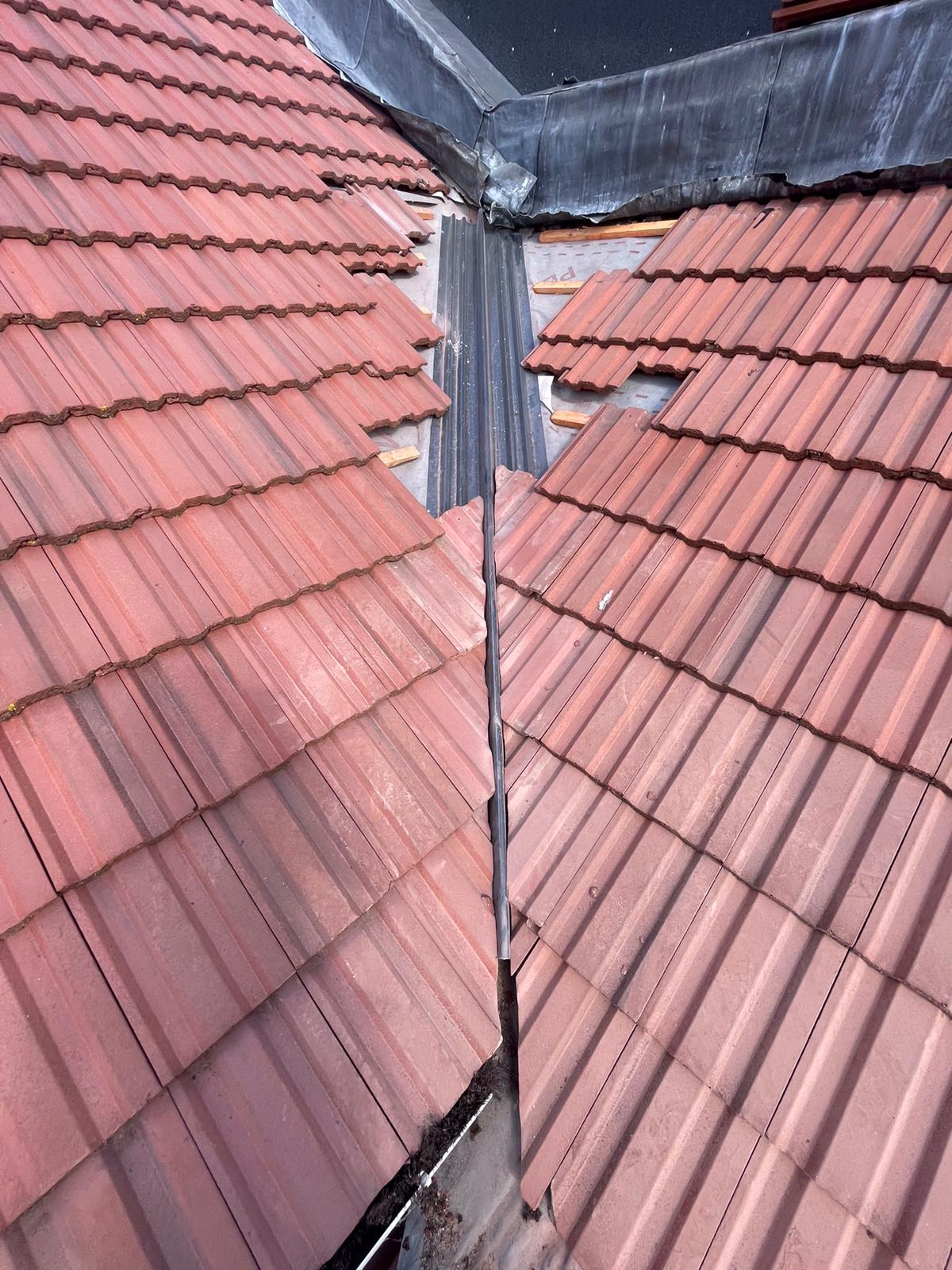
Flashing is used to seal joints around chimneys, roof valleys, and roof windows. When flashing becomes loose, cracked, or corroded, water can enter the roof structure. Flashing failures are one of the most common roofing problems in UK homes, especially in older properties.
Because flashing sits at vulnerable points where roof sections meet, it is exposed to constant movement and weather. Over time this can weaken the seal. Repairs usually involve resecuring or replacing flashing to restore a watertight barrier.
Blocked or Damaged Gutters
Gutters are designed to direct rainwater away from the roof and walls. When gutters become blocked with leaves, moss, or debris, water cannot drain properly. Instead it overflows and may run back beneath roof tiles or into the roofline.
Overflowing gutters can also cause damp walls, staining on brickwork, and damage to fascia boards. Regular cleaning and maintenance are essential for preventing this problem.
Gutter issues are particularly common in urban areas where debris and pollution accumulate quickly.
Loose or Cracked Ridge Tiles
Ridge tiles sit along the highest points of the roof and are exposed to wind and rain from all directions. Over time the mortar holding them in place can weaken or crack. Once this happens, ridge tiles may shift or become unstable.
Loose ridges allow water to enter beneath the tiles and may become dangerous during strong winds. Re bedding or securing ridge tiles restores stability and prevents further damage.
Roof Felt Deterioration
Roof felt or underlay acts as a secondary barrier against water beneath the tiles. In older properties this material may become brittle, torn, or sagging over time. Once felt deteriorates, water can reach the roof timbers more easily.
Felt deterioration often goes unnoticed until a leak appears in the loft or ceiling. Professional inspections help identify this hidden problem before it leads to structural damage.
Moss and Algae Growth
Moss growth is another of the common roofing problems in UK homes. The damp climate provides ideal conditions for moss to grow between tiles. While moss may seem harmless, it holds moisture against the tile surface.
This retained moisture can gradually weaken tiles and increase the risk of frost damage during colder months. Moss can also block gutters and drainage channels if it breaks away during heavy rain.
Regular cleaning and professional maintenance reduce the risk of moss related problems.
Flat Roof Leaks
Flat roofs are widely used on extensions, garages, and commercial buildings. However, they are more vulnerable to water pooling than pitched roofs. When drainage is poor or surfaces deteriorate, standing water can eventually lead to leaks.
Older felt systems are particularly susceptible to cracking or blistering over time. Modern flat roofing materials improve durability, but regular inspections remain important.
Flat roof problems should be addressed quickly to prevent water entering the building.
Storm and Weather Damage
Severe weather is a major cause of roof problems across the UK. High winds can dislodge tiles, loosen flashing, and damage ridge lines. Heavy rainfall may expose existing weaknesses in the roof structure.
After storms, it is always advisable to check for visible signs of damage. Professional inspections help confirm whether repairs are required. For roofs that are difficult to access, drone surveys provide a safe way to assess the roof condition without risk.
Condensation in the Roof Space
Not all roofing problems are caused by external weather. Poor ventilation within the roof space can lead to condensation. Moist air becomes trapped and forms water droplets on timbers and insulation.
Over time this moisture can cause timber rot and mould growth. Improving ventilation and addressing insulation issues helps prevent condensation related problems.
When Roofing Work May Require Approval
Most minor repairs are classed as maintenance and do not require planning permission. However, larger projects such as major structural repairs or roof replacement may need to follow guidance from the Planning Portal.
Significant roofing work must also comply with GOV.UK Building Regulations, particularly where insulation or structural elements are involved. Professional roofing companies ensure work meets these standards.
Safety When Dealing With Roofing Problems
Roofing work carries serious risks due to the height involved. Attempting repairs without proper equipment or training can lead to accidents and further damage.
The Health and Safety Executive provides guidance on working at height and roofing safety to highlight why professional contractors should carry out roof work.
Using trained roofers ensures repairs are carried out safely and effectively.
The Importance of Regular Roof Inspections
Many common roofing problems in UK homes can be prevented with regular inspections. Checking the roof twice a year helps identify small issues before they escalate.
Visual checks from the ground and loft can highlight potential problems, but professional inspections provide a more thorough assessment. Early intervention reduces the risk of major repairs and extends the life of the roof.
Choosing Professional Roofing Support
When roofing problems appear, working with experienced professionals ensures the correct solution is applied. Skilled roofers understand how different roofing systems behave and where issues are likely to occur.
At Trust A Trade Roofing, we carry out detailed inspections and provide practical solutions for roofing problems across the region. We also work closely with Hythe and Folkestone Roofers, delivering dependable roofing services based on experience and careful workmanship.
Guidance from Checkatrade’s roofing hub also highlights the importance of using qualified roofing professionals and maintaining roofs regularly.
Conclusion
Understanding the common roofing problems in UK homes allows property owners to recognise early warning signs and take action before serious damage occurs. Issues such as broken tiles, flashing failures, blocked gutters, moss growth, and flat roof leaks are among the most frequent causes of roofing repairs.
Regular inspections and prompt maintenance help prevent these problems from escalating. If you are concerned about the condition of your roof or would like professional advice, Trust A Trade Roofing can help. To arrange an inspection or discuss roofing concerns, contact us here for reliable support and expert guidance.