
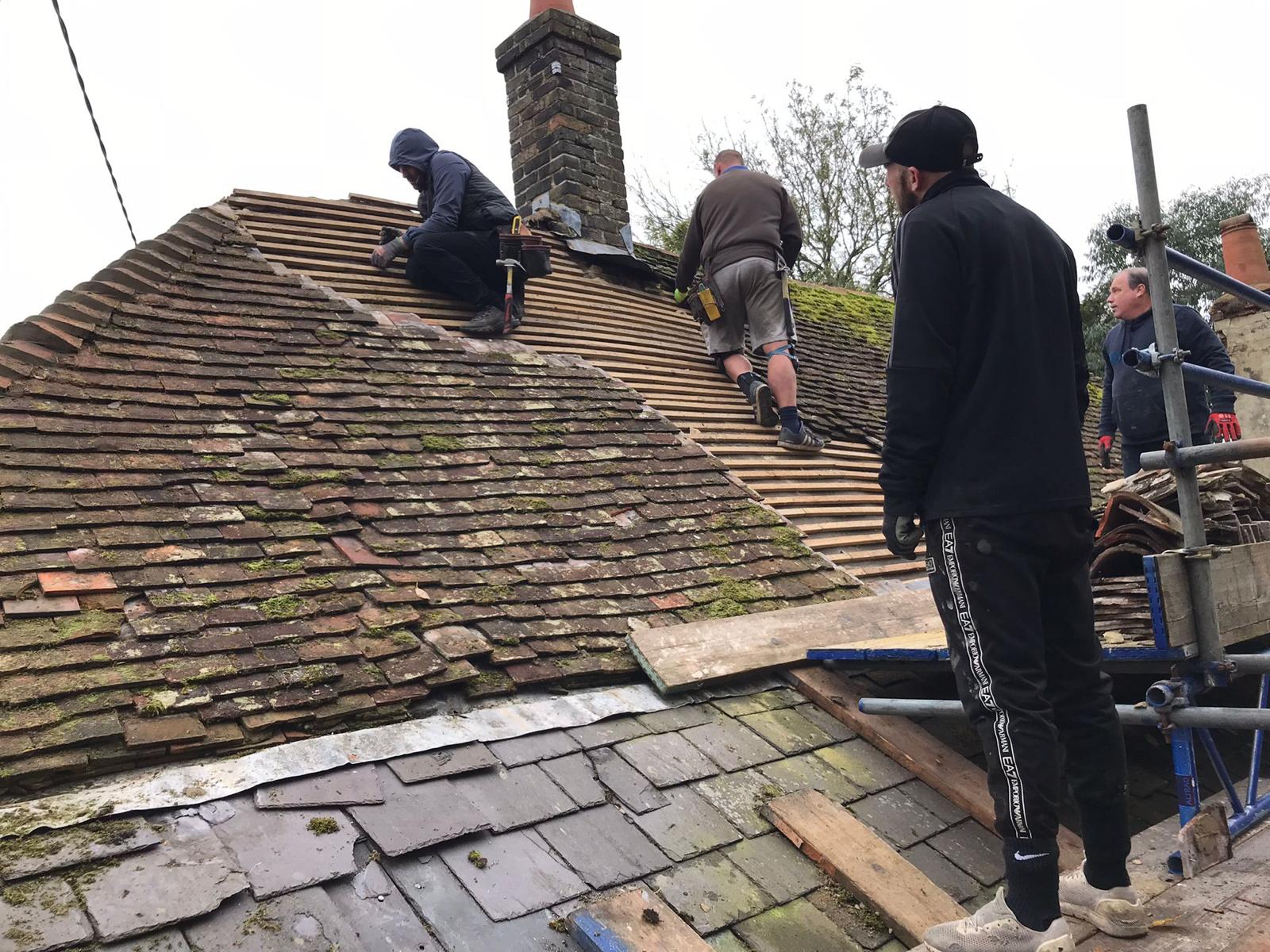
How Often Should You Inspect Your Roof in the UK?
Many homeowners only think about their roof when a leak appears. However, regular inspections are one of the most effective ways to prevent costly repairs and long term structural damage. Understanding how often should you inspect your roof helps you stay ahead of potential issues and keep your property protected throughout the year.
In the UK, roofs are exposed to frequent rainfall, wind, frost, and temperature changes. These conditions gradually wear down roofing materials. Even a well installed roof will experience natural ageing, so inspections should form part of normal home maintenance rather than being treated as an emergency response.
The Recommended Inspection Frequency
As a general rule, roofs in the UK should be inspected at least twice a year. A spring inspection allows you to check for damage caused by winter weather, including frost, heavy rain, and strong winds. An autumn inspection helps ensure the roof is prepared for colder months ahead.
In addition to these routine checks, you should inspect your roof after severe storms. High winds can dislodge tiles, loosen ridge mortar, and damage flashing. Heavy rainfall can highlight drainage problems or weaknesses that were not previously visible.
Regular inspections reduce the risk of hidden damage going unnoticed and prevent minor issues from developing into larger structural problems.
Why Regular Roof Inspections Matter
Roof damage often develops slowly. A cracked tile or lifted flashing may not cause immediate problems, but over time, water can enter the roof structure and cause rot, mould, and insulation damage.
Early identification allows for timely roof repairs that are usually simpler and less expensive than dealing with widespread damage. Regular inspections also extend the lifespan of roofing materials by ensuring problems are addressed promptly.
Ignoring inspections can result in higher repair costs and, in some cases, the need for premature roof replacement.
What to Look for During a Visual Check
Homeowners can carry out basic visual inspections from ground level without climbing onto the roof. Look for:
Cracked, missing, or slipped tiles
Loose ridge tiles or visible gaps along the roofline
Debris collecting in valleys
Blocked or sagging gutters
Moss buildup holding moisture against tiles
Signs of water stains or damp patches on ceilings
Inside the loft, check for daylight showing through gaps, damp insulation, or a musty smell. These signs often indicate water ingress.
However, visual checks have limitations. Some issues, particularly underlay damage or subtle flashing movement, are not visible from below.
Professional Roof Inspections
While homeowners can carry out basic checks, professional inspections provide a more thorough assessment. Experienced roofers examine tiles, flashing, ridges, gutters, and the roof structure to identify hidden issues.
In properties where access is difficult, drone surveys offer a safe and detailed way to inspect the roof without scaffolding. This approach ensures no part of the roof is overlooked while maintaining safety.
Professional inspections are especially important for older roofs or properties that have experienced repeated weather exposure.
Roof Inspections After Storms
Storms are one of the main reasons additional inspections may be needed. High winds can lift tiles or loosen mortar, while heavy rain may expose weaknesses in flashing or underlay. Even if there is no visible damage from the ground, storms can cause small shifts that lead to leaks later.
After severe weather, it is advisable to arrange a professional inspection. Early detection prevents water from entering the roof structure and causing further damage.
Flat Roof Inspection Frequency
Flat roofs require particular attention. Because they do not shed water as quickly as pitched roofs, standing water can cause faster deterioration. Flat roofs should be inspected at least twice a year and after periods of heavy rainfall.
Look for pooling water, cracks, lifting around edges, or blisters in the surface. Prompt repairs prevent leaks and extend the lifespan of the flat roof covering.
Roof Age and Inspection Needs
The age of your roof affects how often inspections should be carried out. Newer roofs typically require less frequent intervention, though twice yearly checks are still recommended.
Roofs that are more than twenty years old may benefit from additional inspections, particularly if they have not been replaced or upgraded recently. Older materials are more likely to crack, loosen, or deteriorate under weather pressure.
If a roof is approaching the end of its lifespan, inspections help determine whether repairs are still effective or if replacement should be considered.
Compliance and Regulatory Considerations
In some cases, larger roof works identified during inspections may require compliance with GOV.UK Building Regulations. This is particularly relevant when replacing significant portions of the roof or upgrading insulation.
If structural changes are involved, guidance from the Planning Portal may also apply. Professional roofers understand these requirements and ensure any necessary approvals are managed correctly.
Safety When Inspecting Roofs
Roof inspections should never compromise safety. Climbing onto a roof without proper equipment is dangerous, particularly in wet or windy conditions. The Health and Safety Executive provides clear guidance on working at height and roofing safety.
Professional roofers follow strict safety standards when carrying out inspections and repairs. For homeowners, visual checks from ground level and internal loft inspections are the safest options until professional help is arranged.
The Cost Benefits of Regular Inspections
Regular inspections may seem like an added expense, but they often save money in the long term. Identifying a slipped tile or small flashing issue early prevents water damage to ceilings, walls, and insulation.
Water ingress can quickly lead to more extensive repairs, including plaster replacement and timber treatment. In severe cases, delayed inspections may result in the need for full roof replacement sooner than expected.
Routine checks keep maintenance manageable and help you plan ahead rather than react to emergencies.
Choosing a Professional Roofing Company
Selecting experienced professionals for inspections ensures accurate advice and quality workmanship. A reliable company will carry out thorough assessments, explain findings clearly, and recommend suitable next steps.
At Trust A Trade Roofing, we provide detailed roof inspections and honest guidance on maintenance and repair. We also work closely with Hythe and Folkestone Roofers, combining experience to deliver dependable roofing services across the region.
Industry guidance from Checkatrade’s roofing hub highlights the importance of regular maintenance and choosing professional contractors for roofing work.
Conclusion
Knowing how often should you inspect your roof helps protect your home from avoidable damage. In the UK, inspecting your roof at least twice a year, along with additional checks after storms, is recommended. Regular inspections identify minor issues early, reduce repair costs, and extend the life of your roof.
If you would like a professional roof inspection or advice on maintaining your roof, Trust A Trade Roofing is here to help. To arrange an inspection or discuss your roofing needs, contact us here for expert support.