
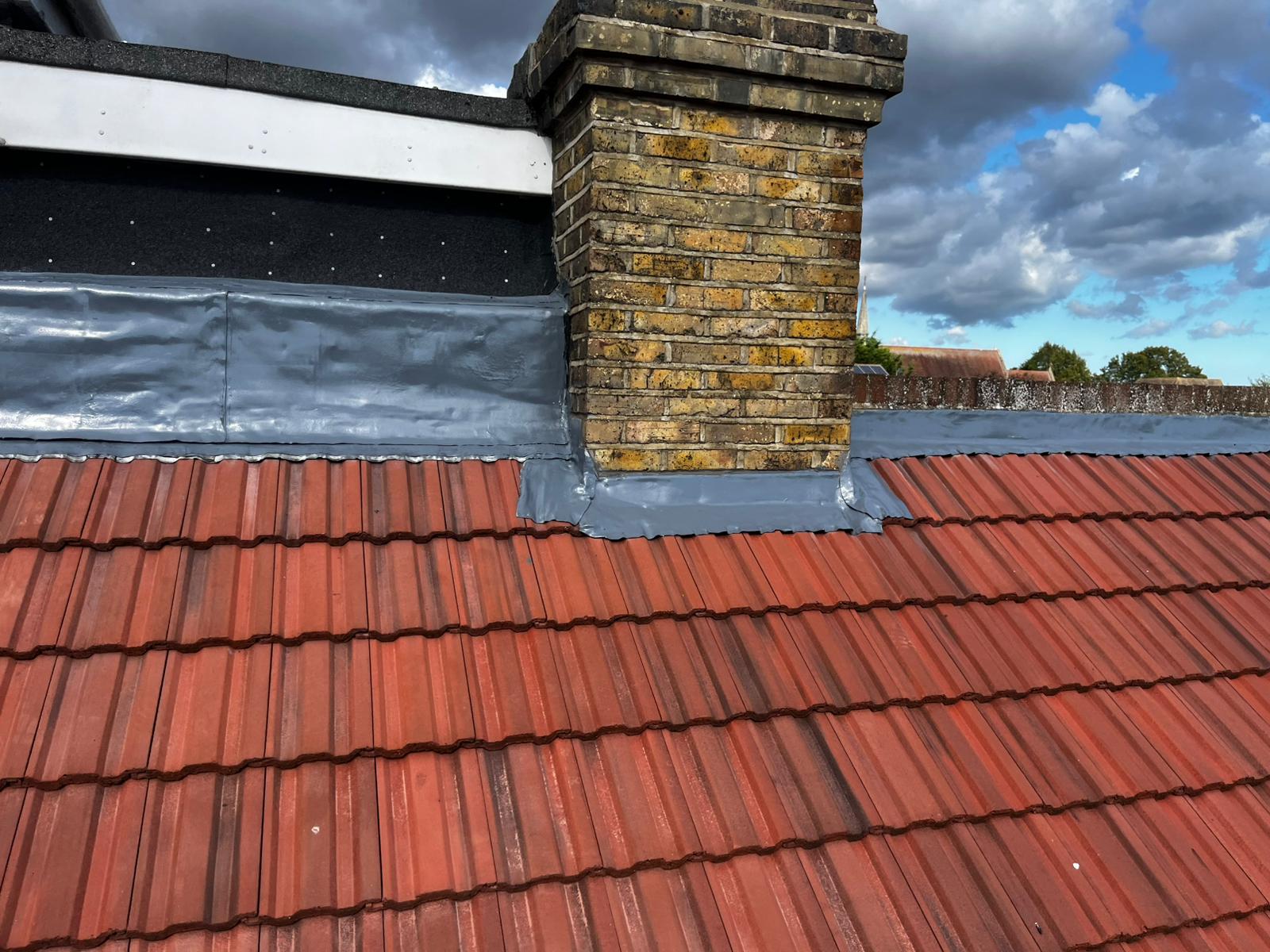
So, How to Maintain Roof Tiles in Wet Weather
Wet weather is one of the biggest challenges for roofs across the UK. Frequent rainfall, damp conditions, and sudden downpours all place pressure on roof tiles and the materials beneath them. Learning how to maintain roof tiles in wet weather helps homeowners prevent leaks, reduce long term damage, and extend the life of their roof. With regular checks and the right professional support, most weather related problems can be managed before they become serious.
Kent experiences consistent rainfall throughout the year, which means roof tiles are rarely fully dry for long periods. When moisture is allowed to sit on the roof surface or work its way beneath tiles, it can cause gradual deterioration that is often missed until water appears inside the home.
Why Wet Weather Affects Roof Tiles
Roof tiles are designed to shed water, but they rely on correct installation, sound underlay, and good drainage to perform properly. During prolonged wet weather, rainwater flows repeatedly over the same areas of the roof. If tiles are cracked, loose, or poorly aligned, water can pass underneath instead of running away safely.
Wet conditions also increase the risk of moss and algae growth. These hold moisture against the tile surface, slowing drying time and encouraging further damage. Over time, constant dampness weakens tiles and puts extra strain on the roof structure.
Regular Visual Checks After Rain
One of the simplest ways to maintain roof tiles in wet weather is by carrying out visual checks from ground level. After heavy rain, look for signs such as tiles that appear out of line, darker patches where water is not draining evenly, or debris that may be trapping moisture.
Inside the property, check ceilings and loft spaces for damp patches, water staining, or musty smells. These can be early indicators that water is entering through the roof. Spotting issues early allows repairs to be carried out before damage spreads.
Keeping Roof Tiles Clear of Moss and Debris
Moss is a common problem on roofs in wet climates. It absorbs and holds water, keeping tiles damp for longer and increasing the risk of frost damage during colder months. Leaves and debris can also block the natural flow of rainwater across the roof.
Gentle cleaning and professional moss removal help tiles dry more quickly after rain. It is important not to scrape or pressure wash tiles incorrectly, as this can cause cracks or dislodge them. Professional roofers use methods that protect the tiles while removing growth safely.
Checking for Cracked or Slipped Tiles
Wet weather makes existing weaknesses more noticeable. Tiles that have hairline cracks or are slightly loose may allow water to pass beneath them during heavy rain. Wind driven rain can force moisture into gaps that would otherwise remain dry.
Replacing damaged tiles promptly is one of the most effective ways to maintain roof tiles in wet weather. Professional roof repairs ensure tiles are secured correctly and aligned to direct water away from the roof structure.
The Importance of Roof Felt and Underlay
Roof tiles are only part of the system that keeps your home dry. Beneath the tiles sits the roof felt or underlay, which acts as a secondary barrier against water. During wet weather, this layer becomes especially important.
If felt is torn, sagging, or worn, water that passes under the tiles can reach the timber structure. Because felt damage is hidden, it often goes unnoticed until leaks appear. Professional inspections can confirm whether the underlay is still providing effective protection.
Maintaining Gutters and Drainage
Gutters play a vital role in protecting roof tiles during wet weather. When gutters are blocked, water overflows and runs back onto the roof edge or under the tiles. This repeated exposure increases the risk of leaks and damp walls.
Clearing gutters regularly ensures rainwater is directed away from the roof efficiently. During wet seasons, gutters should be checked more frequently, especially after storms. This simple maintenance task has a major impact on roof performance.
Managing Water Flow During Heavy Rain
Heavy rainfall tests the roof’s ability to shed water quickly. Valleys, edges, and roof junctions are areas where water flow is concentrated. If tiles are misaligned or flashing is damaged, water can collect instead of draining away.
Professional inspections focus on these high risk areas, ensuring tiles and flashing are working together to manage water effectively. Where access is difficult, drone surveys provide a clear view of the entire roof without safety risks.
Safety and Wet Weather Roof Checks
Wet roofs are extremely dangerous to walk on. Slippery surfaces, hidden weak points, and unstable tiles all increase the risk of falls. The Health and Safety Executive provides clear guidance on working at height, explaining why roof work should only be carried out by trained professionals with the right equipment.
Homeowners should never attempt to climb onto the roof during or after rainfall. Visual checks from the ground and internal inspections are safe alternatives until professional help can be arranged.
Planning Repairs During Wet Periods
Wet weather does not mean roof maintenance must be delayed indefinitely. Professional roofers plan work carefully, choosing safe weather windows and using temporary protection where necessary. Small repairs carried out promptly often prevent much larger problems later on.
Most tile repairs and maintenance work fall under routine upkeep and do not require planning permission. However, larger roofing projects may need to follow guidance from the Planning Portal and comply with GOV.UK building regulations. Experienced roofers advise when approvals are required and ensure work meets the correct standards.
Long Term Maintenance for Wet Climates
To maintain roof tiles in wet weather over the long term, a proactive approach is essential. Annual inspections identify early signs of wear, while timely repairs keep the roof watertight year round. Good ventilation in the loft space also reduces condensation, which can add to moisture problems during prolonged wet periods.
Combining routine maintenance with professional inspections ensures roof tiles remain secure and effective despite constant exposure to rain.
Why Professional Roofing Matters
Wet weather highlights weaknesses in roofing systems that may not be obvious during dry conditions. Professional roofers understand how water behaves on different roof types and where problems are most likely to occur. Their experience allows them to address issues thoroughly rather than applying short term fixes.
At Trust A Trade Roofing, inspections focus on protecting roof tiles, underlay, and drainage systems from the effects of prolonged wet weather. We also work closely with Hythe and Folkestone Roofers to provide reliable roofing support across Kent.
Industry guidance from Checkatrade’s roofing hub supports the importance of proper maintenance and professional workmanship when dealing with roofing issues.
Conclusion
Learning how to maintain roof tiles in wet weather is essential for protecting your home from leaks and long term damage. Regular checks, clear gutters, prompt repairs, and professional inspections all play an important role in keeping roof tiles in good condition. Wet weather may be unavoidable, but its impact on your roof can be managed with the right care.
If you are concerned about the condition of your roof tiles or would like professional advice, Trust A Trade Roofing is here to help. To arrange an inspection or discuss maintenance options, contact us here.