
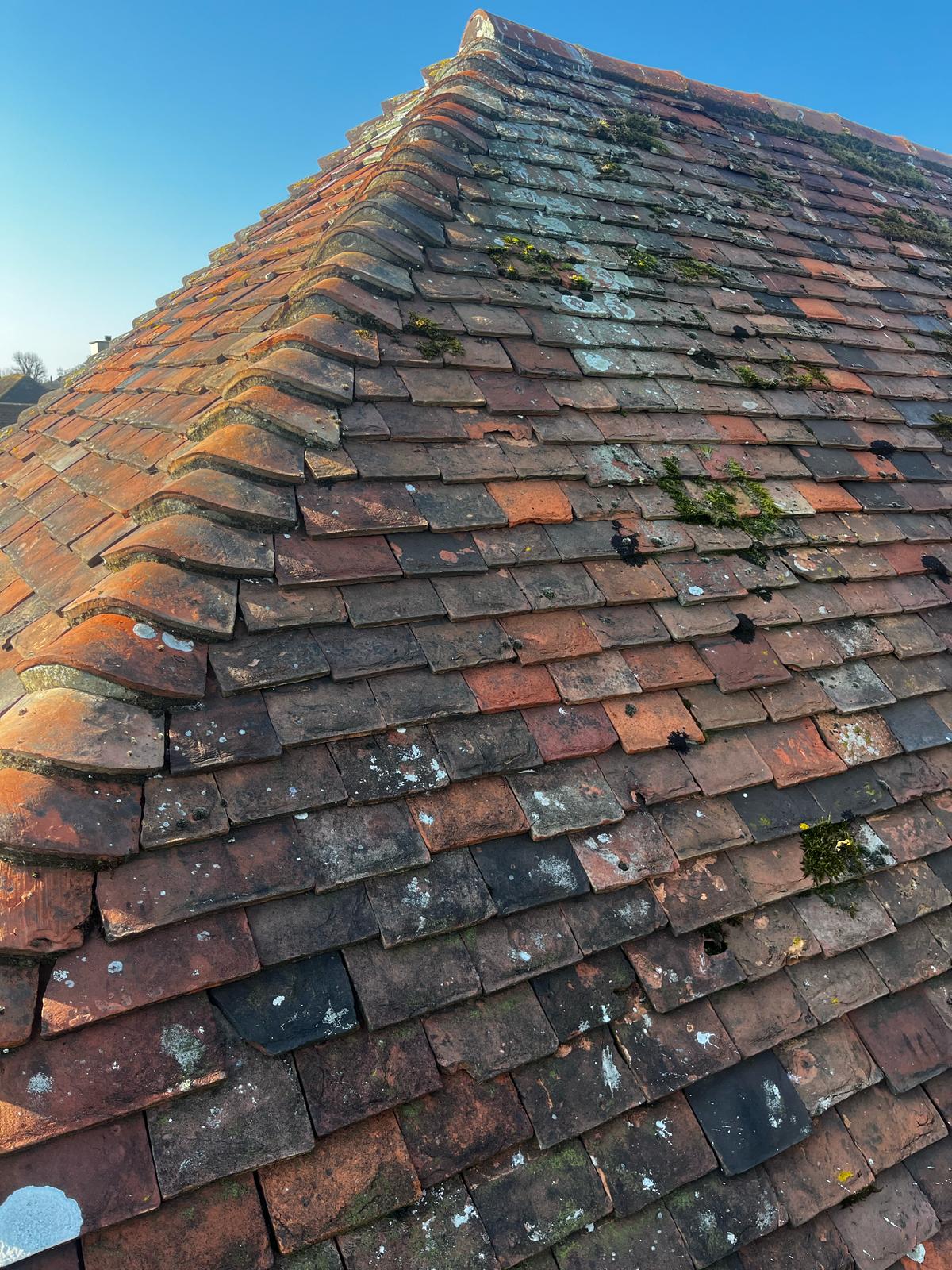
What are Some Common Causes of Roof Leaks in Kent
Roof leaks are one of the most common issues homeowners face, particularly in areas like Kent where properties are regularly exposed to wind, rain, and seasonal weather changes. Even a small leak can lead to damp, mould, damaged insulation, and costly repairs if it is not dealt with quickly. Understanding the main causes of roof leaks in Kent helps homeowners spot problems early and take the right action before damage spreads.
Roof leaks are rarely caused by a single dramatic failure. In most cases, they develop gradually due to wear, poor maintenance, or weather related movement. Knowing where leaks usually start makes it much easier to protect your home.
Damaged or Missing Roof Tiles
One of the most common causes of roof leaks in Kent is damaged or missing roof tiles. Strong winds can loosen or dislodge tiles, while frost and temperature changes can cause cracking over time. Even a single missing or slipped tile creates a direct path for rainwater to reach the roof felt and timber structure beneath.
Older roofs are particularly vulnerable, as tiles become more brittle with age. After storms, homeowners often notice tiles on the ground or small gaps along the roofline. Prompt professional roof repairs prevent further movement and stop water from spreading across the roof space.
Worn or Damaged Roof Flashing
Roof flashing seals the joints around chimneys, roof valleys, skylights, and dormer windows. When flashing becomes loose, cracked, or corroded, water can easily enter the roof structure. This type of leak is often difficult to trace because water travels along timbers before becoming visible inside the property.
In Kent, flashing damage is commonly caused by age, repeated exposure to rain, and movement in the roof structure. Properties near the coast may also experience faster corrosion due to salt in the air. Replacing damaged flashing early prevents long term water ingress and internal damage.
Blocked or Damaged Gutters
Blocked gutters are a major contributor to roof leaks, yet they are often overlooked. Leaves, moss, and debris build up over time, causing water to overflow. Instead of draining away from the roof, water runs back under the tiles or into the roofline, leading to damp walls and ceiling stains.
Storms often make the problem worse by forcing debris into gutters and downpipes. Sagging or broken guttering can also pull away from the roof edge, allowing water to collect where it should not. Keeping gutters clear is a simple but effective way to reduce the risk of leaks.
Cracked or Failing Ridge Mortar
Ridge tiles sit along the highest point of the roof and are fully exposed to the elements. Over time, the mortar that holds them in place can crack or crumble. When this happens, rainwater can enter the roof through gaps beneath the ridge.
Loose ridge tiles can also become unstable during high winds, increasing the risk of further damage. Cracked ridge mortar is one of the more common causes of roof leaks in Kent, particularly on older properties. Early repair restores the roof’s weather resistance and prevents larger structural issues.
Problems with Roof Felt or Underlay
Roof felt, also known as underlay, acts as a secondary barrier against water beneath the tiles. When felt becomes torn, sagging, or brittle, it can no longer protect the roof structure.
Damage to roof felt often goes unnoticed until water starts appearing inside the loft or on ceilings. Felt deterioration may be caused by age, poor ventilation, or repeated exposure to wind driven rain after tiles have shifted. In many cases, felt damage is discovered during inspections following storms.
Flat Roof Deterioration
Flat roofs are more prone to leaks than pitched roofs if they are not properly maintained. Standing water, surface cracks, and lifting around edges all allow moisture to penetrate the roof covering. Over time, this water finds its way inside the building.
In Kent, flat roof leaks are commonly caused by ageing felt systems, poor drainage, or damage from debris during storms. Regular inspections help identify weak points early. Once water begins pooling regularly, the risk of leaks increases significantly.
Chimney Related Leaks
Chimneys are a frequent source of roof leaks. Water can enter through damaged flashing, cracked mortar, or porous brickwork. Chimney stacks are exposed to constant weathering, and even small defects can allow rainwater to penetrate.
Leaks around chimneys often appear as damp patches on ceilings near breast walls or in loft spaces. Addressing chimney related issues promptly prevents water spreading into surrounding timbers and insulation.
Poor Roof Ventilation
Poor ventilation can cause condensation to build up inside the roof space. This moisture can drip onto ceilings and timbers, often being mistaken for a roof leak. Over time, condensation damages insulation and encourages mould growth.
Proper ventilation allows moist air to escape and helps keep the roof structure dry. In Kent homes, ventilation problems are often found during loft inspections, especially in properties that have been upgraded without adequate airflow being maintained.
Storm Damage
Storms are a major factor behind many roof leaks. High winds lift tiles, heavy rain forces water into small gaps, and debris can puncture flat roof surfaces. Sometimes the damage is not immediately visible, with leaks appearing days after the storm has passed.
After severe weather, it is always sensible to check for signs of roof damage. If access is difficult or unsafe, professional inspections or drone surveys provide a safe way to assess the roof without risk.
Unsafe DIY Repairs
Attempting roof repairs without proper training or equipment is not only dangerous but often leads to further damage. Incorrectly fitted materials or temporary fixes may fail during the next period of bad weather.
The Health and Safety Executive provides clear guidance on working at height and roofing safety, highlighting why roof work should be carried out by trained professionals. Improper repairs are a hidden cause of roof leaks that often result in repeat issues and higher long term costs.
Do Roof Leak Repairs Need Approval
Most minor roof repairs do not require planning permission, as they are classed as maintenance. However, larger repairs or structural changes may need to follow guidance from the Planning Portal and comply with GOV.UK building regulations.
Professional roofers understand when approval or inspection is required and ensure work is completed correctly. This is particularly important when replacing large roof sections or upgrading insulation.
Why Professional Inspections Matter
Many causes of roof leaks in Kent are not visible from ground level. Small gaps, cracked flashing, or worn felt often go unnoticed until water enters the home. Professional roofers know where to look and how to identify early warning signs.
At Trust A Trade Roofing, inspections focus on both visible damage and hidden weaknesses that could develop into leaks. We also work closely with Hythe & Folkestone Roofers to provide reliable roofing support across the region.
Our work aligns with guidance from Checkatrade’s roofing hub, which helps homeowners understand what to expect from professional roofing services and why quality workmanship matters.
Conclusion
Roof leaks rarely happen without warning. In most cases, they are caused by damaged tiles, worn flashing, blocked gutters, failing felt, or storm related movement. Understanding the common causes of roof leaks in Kent allows homeowners to act early and avoid costly internal damage.
Regular inspections, prompt repairs, and professional advice all play a key role in keeping your roof watertight. At Trust A Trade Roofing, we provide thorough inspections and reliable roof repairs across Kent. If you are concerned about a leak or would like your roof checked, contact us here to arrange professional support.